Most car owners brace for battery trouble in winter — but in Lahore, the real damage happens months earlier, in the middle of a 45°C June afternoon. Heat doesn't announce itself the way a cold, sluggish crank does. It works quietly, all summer long, and the battery usually fails the moment the weather finally cools down and puts it under real strain again.
Why Heat Is Worse Than Cold for Your Battery
Cold weather makes a weak battery show its weakness — thick, cold oil and slower chemical reactions mean a struggling battery finally can't crank the engine. But heat is what causes that weakness in the first place. High under-hood temperatures speed up the chemical reactions inside a battery, which accelerates internal corrosion and evaporates the battery's electrolyte fluid faster than it should.
The result: a battery rated to last two to three years under moderate conditions can lose a significant chunk of that lifespan sitting through repeated 40°C+ days — even if it's never once failed to start your car in summer.
What Heat Actually Does Inside the Battery
- Electrolyte evaporation — high heat dries out the fluid inside faster, exposing plates and reducing capacity.
- Accelerated corrosion — heat speeds up the internal corrosion that eats away at the battery's plates over time.
- Overcharging stress — hot weather pushes the charging system to work harder, which can subtly overcharge the battery on long summer drives.
- Case and seal damage — repeated heat cycling can warp or swell the battery case, an issue we cover in our 7 warning signs guide.
Signs Summer Heat Is Already Wearing Your Battery Down
You don't need to wait for a dead battery to notice heat damage. Watch for:
- A battery that feels warm to the touch even when the engine's been off for a while
- A slightly swollen or bulging case — a clear sign of heat stress
- Slower cranking on the first start of the day, even in warm weather
- A battery over 18–24 months old that's spent multiple summers in direct engine-bay heat
How to Protect Your Battery Through Lahore's Summer
- Park in shade when you can — direct sun on the hood can push under-bonnet temperatures well past ambient.
- Keep terminals clean — corrosion buildup restricts current flow and makes the battery work harder in heat.
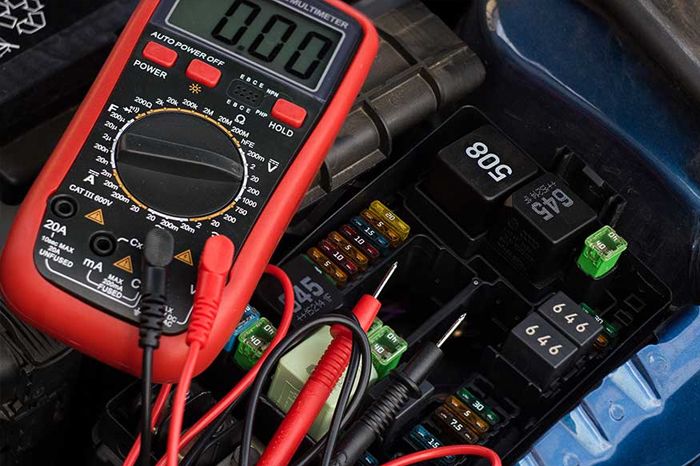
- Get a load test each season change — catching early capacity loss before peak summer or peak winter prevents a stranded morning.
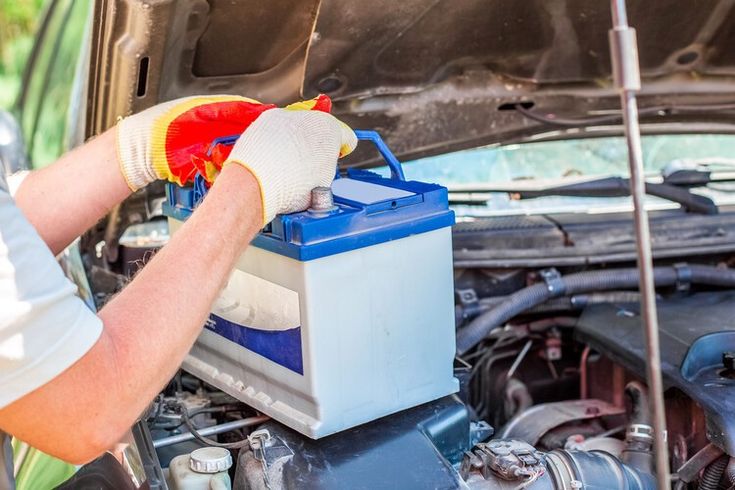
- Choose a heat-tolerant brand if you're replacing — AGS, for instance, is built with thicker separators specifically for temperature extremes. See our full brand comparison for details.
- Don't ignore a swollen case — replace it immediately rather than waiting for it to fail completely.
The Bottom Line
If your battery has made it through two or three Lahore summers, it's already done more work than most people realize. Heat is a slow, invisible drain — the smartest move is checking it before the season changes, not after your car won't start.
Worried the heat's already gotten to your battery?
Bring it in for a free load test, or book doorstep testing and replacement anywhere in our Lahore coverage area.