
Whether your battery is due for replacement, needs a top-up charge, or died overnight and you just need the car running again, the process is more approachable than it looks — as long as you follow the right order and a few safety basics. This guide covers all three.
WHAT'S IN THIS GUIDE
How a Car Battery Works, Briefly
A car battery stores chemical energy and converts it to electrical current on demand — enough to turn the starter motor and get the engine running, plus a reserve to run electronics when the engine's off. Once the engine starts, the alternator takes over, recharging the battery and powering the car's electrical systems while you drive. Understanding that relationship helps explain why a "battery problem" is sometimes actually an alternator problem — worth ruling out if a new battery keeps dying (we cover that in a separate guide).
How to Change a Car Battery
Replacing a battery yourself is straightforward if you follow the steps in order — the sequence matters more than the individual steps themselves.
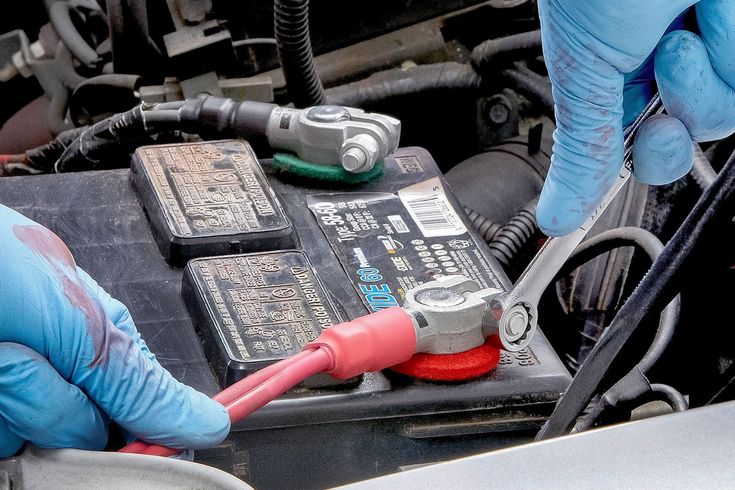
Park safely and switch off
Park on level ground, turn off the engine, and remove the key before touching anything.
Identify the terminals
Locate the positive (+) and negative (−) terminals — the negative is usually marked black or with a minus sign.
Disconnect negative first
Loosen and remove the negative cable first, moving it aside so it can't touch the terminal again.
Disconnect positive, then remove
Remove the positive cable next, unscrew the hold-down clamp, and lift the old battery out carefully — it's heavier than it looks.
Install the new battery
Place the new battery in the tray facing the same direction as the old one, and secure the hold-down clamp.
Reconnect positive first, then negative
This is the reverse of removal — connect positive first, then negative, tightening both connections securely.
Choosing and Using a Car Battery Charger
A charger tops up a battery that's low but not dead, or maintains one that sits unused for long periods. Not all chargers are built the same:
Basic Trickle Charger
Delivers a slow, steady charge but usually lacks automatic cutoff — needs to be monitored to avoid overcharging.
Smart Charger
Automatically adjusts voltage and current, and cuts off or switches to maintenance mode once full — the safer choice for unattended charging.
Fast Charger
Charges quickly for a short top-up, but sustained fast charging generates more heat and stress than a standard rate.
Lithium-Compatible Charger
LiFePO4 batteries need a charger matched to their specific voltage profile — using a standard lead-acid charger isn't recommended.
To use a charger safely: connect positive to positive and negative to negative, set the correct voltage for your battery type, and avoid leaving a non-smart charger connected unattended for long periods — this is one of the most common causes of the overcharging and swelling we cover separately.
How to Jump Start a Car Battery
Jump starting gets a dead battery running long enough to reach help or let the alternator recharge it — the cable connection order here is the part most people get wrong.
Position the vehicles
Park the working vehicle close enough for the cables to reach, but not touching, and switch off both engines.
Connect red to dead positive
Clip the red (positive) cable to the positive terminal of the dead battery first.
Connect red to working positive
Clip the other red clamp to the positive terminal of the working battery.
Connect black to working negative
Clip one black (negative) clamp to the negative terminal of the working battery.
Ground the last clamp
Clip the final black clamp to an unpainted metal surface on the dead car's engine block — not the battery terminal itself.
Start the working car, then the dead one
Run the working engine a few minutes, then try starting the dead car. Remove cables in the exact reverse order once it's running.
Safety Tips for All Three
Always disconnect negative first, reconnect it last — this order reduces the risk of a short circuit throughout.
Never let a metal tool bridge both terminals, or a terminal and any grounded metal part of the car.
Avoid sparks, flames, or smoking near any battery — all lead-acid batteries can vent flammable hydrogen gas.
Wear eye protection and avoid direct skin contact with any corrosion or residue on the terminals.
Never attempt any of this on a swollen, cracked, or leaking battery — get it inspected professionally instead.
When in doubt, stop and call a professional — a wrong connection can damage electronics or cause injury.
Frequently Asked Questions
How often should a car battery be changed?
Most car batteries last around 2 to 3 years under regular use, though heat, short trips, and electrical load can shorten that. A free load test can confirm the actual condition before you decide.
Can I jump start a car battery myself?
Yes, with a working set of jumper cables and another vehicle, following the correct cable order and safety precautions. If you're not confident doing it yourself, a technician can come to you instead.
What type of car battery charger should I use?
A smart charger with automatic voltage regulation and cutoff is safer and better for battery health than a basic trickle charger without those protections, especially for longer charging sessions.
Rather have it done for you?
Call or WhatsApp us at +92 321 6509001 — we're at 367-F1 Samsani Road, Johar Town, Lahore, or we'll come to you.