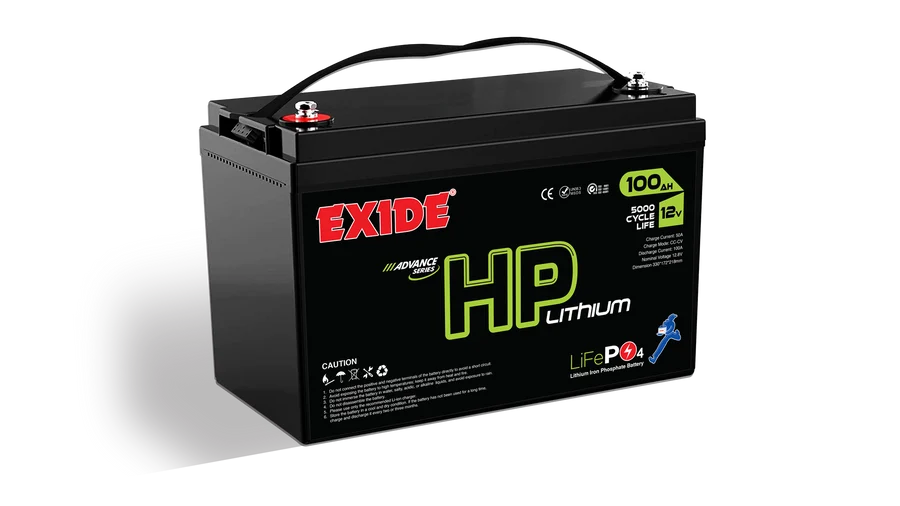
It's one of the most frustrating calls we get: someone bought a new battery, it worked fine for a few days, and now it's dead again — same as before. The instinct is to assume the new battery is faulty. Most of the time, it isn't. Something else in the car is either draining it or failing to recharge it properly, and swapping in another battery just resets the clock on the same problem.
Signs It's Not the Battery Itself
If any of these sound familiar, the battery is very likely healthy and something else is the real cause:
- The battery tested fine — full charge, passed a load test — right before or right after it died again.
- It dies specifically after sitting parked for a day or more, not while driving.
- It dies again within days of a jump-start or replacement, following the same pattern.
- You've noticed dim headlights or flickering dashboard lights while the engine is running.
The Most Common Culprit: Parasitic Drain
A "parasitic drain" is any electrical component still pulling power after the car is switched off and locked. A small amount of drain is normal — the clock, alarm system, and computer memory all sip a little power constantly. But a stuck interior light, a faulty relay, a glovebox or trunk light that doesn't switch off, or an aftermarket alarm or stereo installed incorrectly can pull far more than that, quietly draining a healthy battery flat overnight.
A Failing or Undercharging Alternator
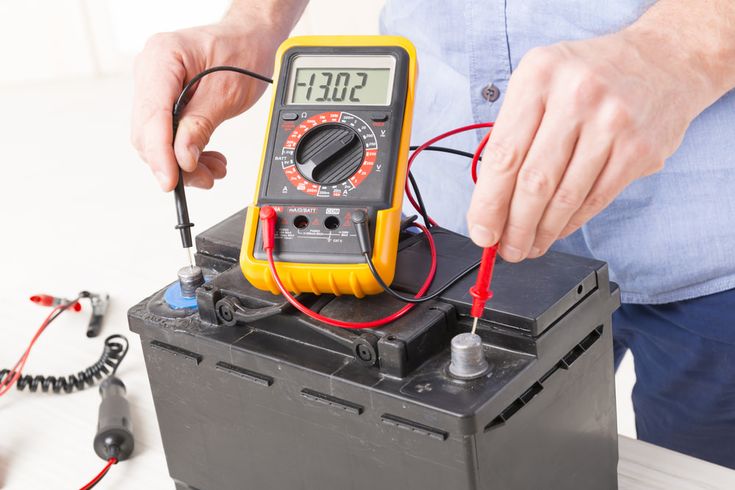
The alternator's job is to recharge the battery every time the engine runs, replacing whatever charge was used to start the car and to run electronics while driving. If the alternator is weak, has a worn belt, or has a failing voltage regulator, it never fully tops the battery back up — so even a brand-new battery slowly loses ground with every drive, until it eventually can't start the car at all.
Corroded or Loose Connections
A battery can be perfectly healthy and still fail to start the car, or fail to charge properly, if the terminal connections are corroded or loose. Poor contact at the terminals restricts both the current going out to start the engine and the current coming back in from the alternator — which can look exactly like a battery problem when it isn't one.
Short Trips That Never Fully Recharge the Battery
Starting a car pulls a significant amount of charge from the battery, and the alternator needs a reasonable amount of driving time to replace it. If most of your trips in Lahore traffic are short hops — the school run, a quick errand — the battery may never fully recover between starts, gradually running down over days or weeks even though nothing is actually broken.
Aftermarket Accessories Pulling Power
Dash cams, GPS trackers, extra lighting, and subwoofers wired directly to the battery — rather than through a switched circuit — keep drawing power even when the car is off, unless they're installed with a proper cutoff. This is one of the more common causes we find in cars that have had aftermarket work done.
Common Causes, At a Glance
Parasitic Drain
A stuck light, faulty relay, or bad aftermarket wiring pulls power while the car is off.
Weak Alternator
The battery never gets fully recharged while driving, so it loses ground over time.
Corroded Connections
Poor terminal contact restricts both starting current and charging current.
Short Trips Only
The alternator never gets enough time to replace what starting the engine used.
How We Diagnose the Real Cause
Rather than guessing, a proper diagnosis rules things out in order:
Free load test — confirms the battery itself is healthy and holding charge correctly.
Parasitic drain test — measures exactly how much current is being pulled with the car off.
Alternator output test — checks whether the battery is actually being recharged properly while driving.
Terminal and connection check — rules out corrosion or a loose connection as the real cause.
A Few Things You Can Check Yourself First
Before booking a diagnostic, a couple of quick checks can sometimes point to an obvious cause:
- Look for interior lights left on — a glovebox, boot, or door light that doesn't switch off is one of the most common (and easiest to fix) parasitic drains.
- Check if any aftermarket accessory was recently installed — a dash cam, tracker, or stereo added shortly before the problem started is a strong clue.
- Note your driving pattern that week — if it's been mostly short trips, that alone could explain a slow drain without anything being faulty.
- Visually inspect the terminals — white or bluish crust around the terminals points toward a connection issue rather than the battery itself.
If none of these turn up an obvious answer, that's when a proper multimeter-based diagnostic is worth booking rather than continuing to guess.
What Happens If You Ignore It
Repeatedly jump-starting or replacing a battery without finding the underlying cause doesn't just waste money — it can make the real problem worse. A battery that's regularly drained flat and jump-started again suffers permanent capacity loss over time, even if the drain itself wasn't the battery's fault to begin with. An undiagnosed alternator problem can also leave you stranded somewhere less convenient than your driveway, since the failure tends to get more sudden as it progresses.
Safety Tips When Checking or Handling Your Battery
If you're doing any of the checks above yourself, keep these in mind:
Turn off the engine and remove the key before touching any wiring or terminals.
Disconnect the negative (−) terminal first if you need to remove the battery, and reconnect it last — this reduces the risk of a short circuit.
Never let a metal tool touch both terminals at once, or a terminal and any grounded metal part of the car — this can cause sparks or a dangerous short.
Avoid open flames, sparks, or smoking near the battery — batteries can vent small amounts of flammable hydrogen gas, especially under load.
Wear eye protection if you're working close to the terminals, and avoid direct skin contact with any corrosion or residue on them.
If a battery looks swollen, cracked, or is leaking, don't attempt any of these checks yourself — get it inspected professionally instead.
When in doubt, stop and call a professional — a wrong connection can damage a car's electronics or cause injury, and it's not worth the risk to save a trip to the shop.
Frequently Asked Questions
Why does my new car battery keep dying?
The most common causes are a parasitic electrical drain, a weak or failing alternator not fully recharging the battery, or corroded and loose connections — the battery itself is often fine.
How do I know if it's a parasitic drain or the alternator?
A parasitic drain typically causes the battery to die while the car sits parked for a while. An alternator problem usually shows up as the battery dying again within a day or two of driving, sometimes with dim headlights or dashboard flicker while the engine runs.
Can short trips cause a battery to keep dying?
Yes. Very short trips don't give the alternator enough time to fully replace the charge used during starting, so the battery gradually runs down even though nothing is technically wrong with it.
Is it safe to check for a parasitic drain myself?
Basic checks like looking for lights left on or inspecting terminals are safe with the engine off. Anything involving a multimeter in the fuse box or disconnecting terminals should be done carefully, or left to a professional if you're not confident with car electrics.
Still dealing with a battery that won't stay charged?
Call or WhatsApp us at +92 321 6509001 — we're at 367-F1 Samsani Road, Johar Town, Lahore.